Why Donating Blood, the Day Before a Marathon is a VERY Bad Idea
Feb 10, 2026
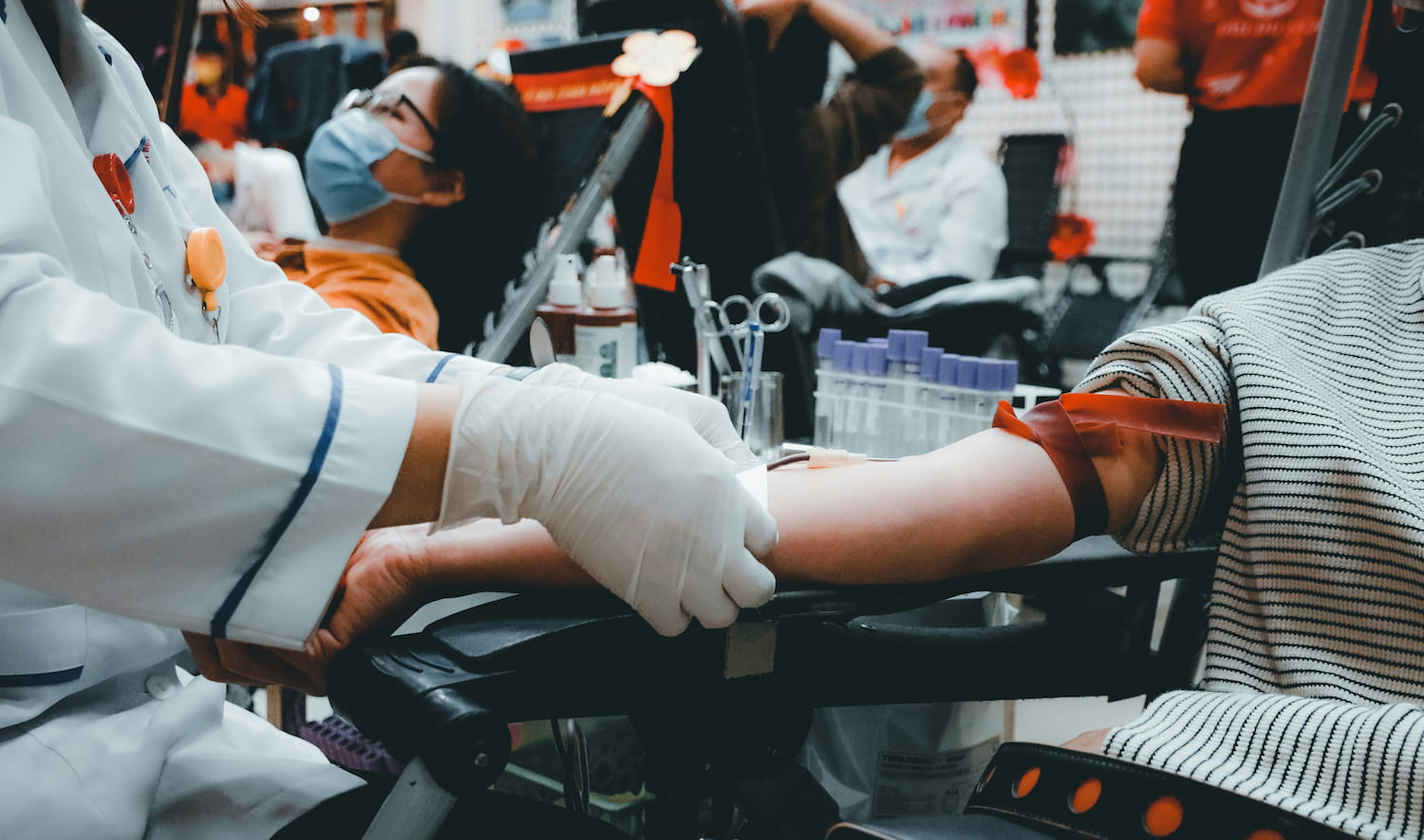
As endurance athletes, we’re usually tough. We push through fatigue, discomfort, and long training blocks. But there’s a line between being tough and being reckless—and donating blood the day before a marathon crosses that line.
Donating blood is an incredible, life-saving act. It’s generous, important, and something I encourage athletes to do. Just not right before race day.
Red Blood Cells: Your Endurance Engine
Red blood cells are the oxygen delivery system of your body. Their job is simple but critical: transport oxygen from your lungs to your working muscles.
Inside each red blood cell is haemoglobin, a protein that binds oxygen. The more oxygen you can deliver to your muscles, the more efficiently you can:
Produce energy (aerobic metabolism)
Keep your pace steady
Delay fatigue
Recover whilst running
Endurance performance, especially in a marathon, lives and dies by oxygen delivery. This is why VO₂ max, haemoglobin levels, and iron status matter so much to endurance athletes.
What Happens When You Donate Blood
When you donate whole blood, you typically lose:
~450–500 ml of blood
A significant number of red blood cells
Haemoglobin and iron
Here’s the key timeline most runners don’t understand:
Plasma volume (the fluid part of blood) recovers within 24–48 hours.
Red blood cells take weeks to fully recover.
Iron stores can take months to replenish if not managed properly.
So, while your blood volume may look “normal” again after a day or two, your oxygen-carrying capacity is not.
You’re essentially starting your marathon mildly anaemic.
A marathon already places massive stress on the cardiovascular system. When you race with reduced red blood cells, several things occur:
1. Higher heart rate at all paces
With fewer red blood cells available to carry oxygen, your heart must pump faster to compensate. The pace that normally feels “comfortable” suddenly feels laboured.
2. Early and unusual fatigue
You may feel fine for the first 10 to 15 km, but fatigue arrives earlier and hits harder. This isn’t a lack of fitness; it’s a lack of oxygen.
3. Increased Risk of dizziness and collapse
Blood donation lowers your oxygen reserve. Combine that with:
Dehydration
Heat
Endurance effort
…and you significantly increase the risk of light-headedness, nausea, or even collapsing late in the race.
4. Slower pace and poor performance
Your muscles are forced to rely more on anaerobic energy pathways, which:
Burn glycogen faster
Produce more metabolic by-products
Accelerate the “wall”
Even well-trained endurance athletes see a noticeable drop in performance, often without understanding why.
This Isn’t Mental Weakness—It’s Physiology
Athletes sometimes blame themselves when races go badly:
“I just didn’t want it enough.”
“My mind wasn’t strong.”
In this case, the issue is biological. You cannot out-mental a reduced oxygen supply. No amount of grit can replace missing red blood cells.
So, when should endurance athletes donate blood?
From a coaching and performance perspective:
At least 3–4 weeks before a marathon (longer for ultra-distance events)
Preferably early in a training cycle, not near peak weeks
With proper attention to iron intake and recovery
If you’re donating regularly, it’s worth monitoring iron levels, especially for female endurance athletes.
Donating blood saves lives. Running a marathon requires every red blood cell you have.
Doing both is admirable, but timing matters.
If you donate blood the day before a marathon, you’re voluntarily giving away part of your engine just before the longest, hardest drive of your season.
Be generous. Be smart. And on race week, protect your oxygen.