The Soleus: A Running Coach’s Take on Your “Second Heart”
Feb 5, 2026
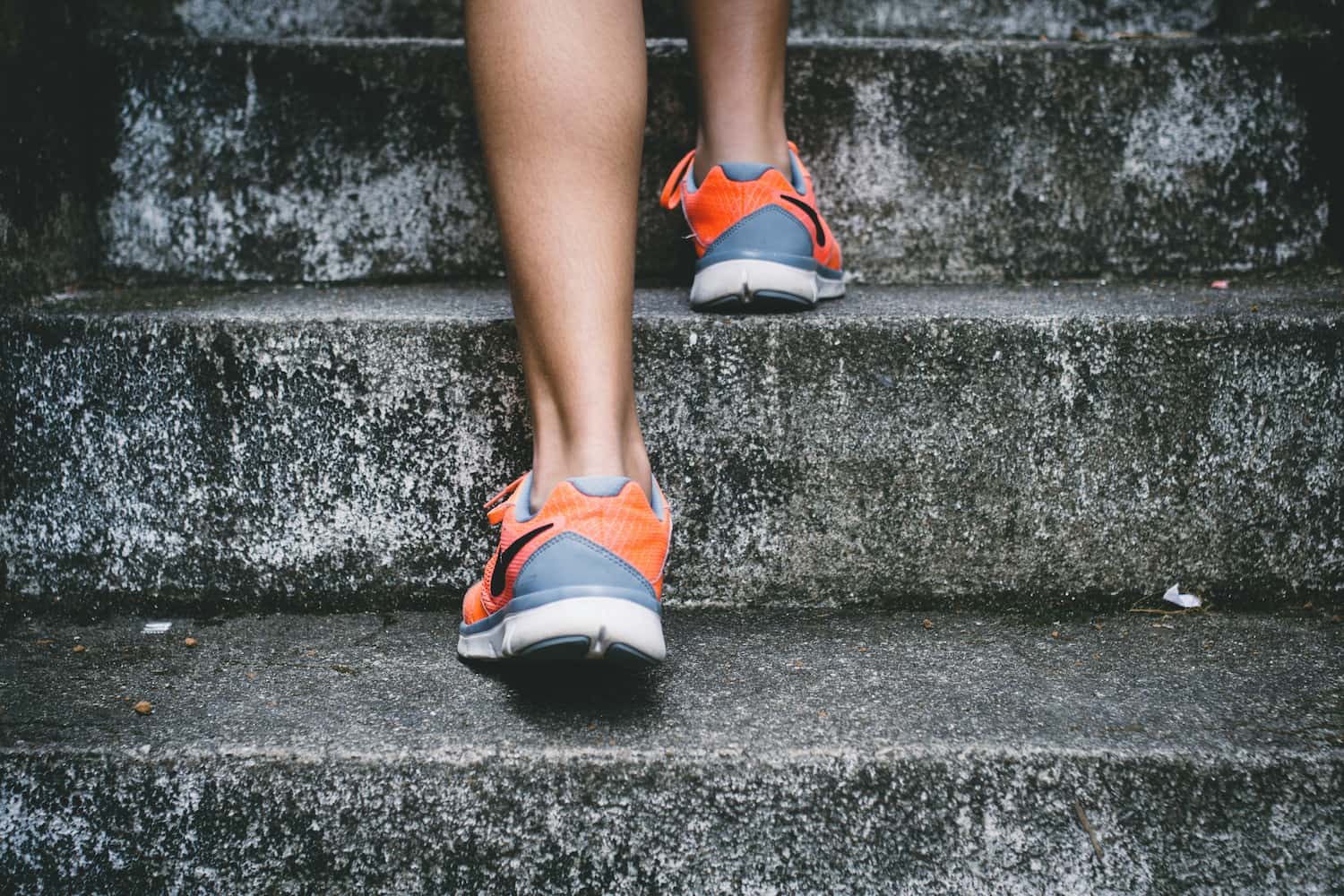
As a running coach, I spend a lot of time looking beyond pace charts and mileage totals. The real breakthroughs in endurance performance often come from understanding how the body works. One muscle that deserves far more respect from runners is the soleus—often called the body’s second heart.
The idea of a “second heart” isn’t poetic fluff. It’s rooted in physiology.
Your heart pumps blood to the lower body, but gravity makes it hard to get that blood back up to the heart. That’s where the soleus muscle, a deep calf muscle that sits underneath the gastrocnemius, plays a critical role. When it contracts, it squeezes the deep veins of the lower leg, pushing blood back toward the heart. This mechanism is known as the calf muscle pump.
Unlike many muscles, the soleus is built for endurance. It’s made up predominantly of slow-twitch (Type I) muscle fibres, which means it can work for hours without fatiguing. Every step you take while walking or running activates it. Over thousands of steps, this pumping action significantly improves venous return, supports circulation, and helps maintain oxygen delivery to working muscles.
In simple terms:
A strong, active soleus helps keep blood moving, just like a heart does.
The soleus crosses only one joint—the ankle—which makes it especially active when the knee is bent, such as during running, climbing, and long steady efforts. Its main jobs are to:
Control ankle dorsiflexion as your foot hits the ground
Store and release elastic energy during push-off
Stabilise the lower leg over long durations
During endurance running, the soleus works constantly, even at slower paces. While the bigger calf muscle (gastrocnemius) helps with explosive movements like sprinting and hill surges, the soleus is the quiet workhorse that keeps you moving efficiently kilometre after kilometre.
For endurance runners—marathoners, ultra runners, trail athletes—the soleus may be one of the most important muscles in the body.
Here’s why:
Improved Oxygen Delivery
A well-trained soleus improves venous return, which supports better cardiac output and oxygen circulation. This can delay fatigue and improve endurance efficiency.Energy Efficiency
The soleus stores elastic energy in the Achilles tendon and releases it with each stride. Stronger soleus muscles mean less energy cost per step—huge over tens of thousands of steps in a long race.Fatigue Resistance
Because it’s slow-twitch dominant, the soleus is designed to work all day. When it’s weak or undertrained, other muscles compensate, leading to early fatigue and breakdown in running form.Injury Prevention
Many common running injuries like Achilles tendinopathy, calf strains, plantar fasciitis and even knee issues, can often be traced back to poor calf and soleus strength. A resilient soleus reduces load on surrounding tissues.Late-Race Performance
Ever noticed how runners “lose their legs” late in marathons or ultras? Often, it’s not cardiovascular failure, it’s peripheral muscular fatigue. A strong soleus helps maintain stride integrity when everything else wants to shut down.
Runners love chasing their VO₂ max status, weekly mileage and Strava kudos. All those matters, some more than others, but none work well without a strong foundation. The soleus doesn’t get Instagram glory, but it quietly supports circulation, efficiency, and durability.
If you’re an endurance athlete, think of soleus training as an investment in:
Longer-lasting legs
Better economy
Fewer injuries
Stronger finishes
Strengthening the Soleus: Practical Exercises for Runners
From a coaching perspective, the soleus doesn’t need flashy workouts. It needs consistent, targeted loading that matches its endurance-based role. Because it works best with the knee bent, soleus exercises should differ slightly from traditional straight-leg calf work.
Below are some of the most effective, runner-specific ways to strengthen it.
Bent-Knee Calf Raises (Soleus Raises)
This is the cornerstone exercise for soleus strength.
How to do it:
Stand with feet hip-width apart
Slightly bend your knees (about 20–30 degrees)
Rise slowly onto the balls of your feet
Lower under control
Progressions:
Bodyweight → single-leg → weighted (holding dumbbells or wearing a pack)
Prescription for runners:
3–4 sets of 12–20 reps
Slow tempo (3 seconds up, 3 seconds down)
Coaching tip: Keep the knees bent throughout the movement—straightening them shifts the load to the gastrocnemius.
https://youtube.com/shorts/uQAIX2jrvYYsi=0hZRzUEmUKCgrPR
Seated Calf Raises
This closely mimics the knee-bent position of running.
How to do it:
Sit on a bench or chair
Place weight (barbell, dumbbells, or kettlebell) across your thighs
Lift heels off the ground and slowly lower
Prescription:
3–5 sets of 15–25 reps
Focus on full range of motion
This exercise is excellent for endurance runners because it isolates the soleus while minimising hip and knee fatigue.
https://youtube.com/shorts/nLysrEHspKQ?si=4lx-qS-SxXGZ1YWA
3. Isometric Soleus Holds
Isometrics are gold for both strength and tendon health, especially for runners dealing with Achilles or calf issues.
How to do it:
Perform a bent-knee calf raise
Hold the top position on your toes
Options:
Double-leg or single-leg
Add load once bodyweight becomes easy
Prescription:
3–5 holds of 30–60 seconds
This builds fatigue resistance—exactly what the soleus needs for long races.
https://youtube.com/shorts/ysSo1ro7n30?si=8FS3eP600pVPC73L
4. Eccentric Heel Drops (Bent Knee)
Eccentric strength is essential for absorbing load during landing and downhill running.
How to do it:
Stand on a step with heels off the edge
Bend your knees
Rise up using both feet
Lower slowly on one foot
Prescription:
3 sets of 8–12 slow reps per leg
4–5 seconds lowering phase
This is especially useful for trail and ultra runners who spend long periods braking on descents.
https://youtube.com/shorts/kpserlCZeXX8?si=YCDRxsJSMHmH9z9T
5. Walking Lunges with Heel Raise
This integrates soleus strength into a functional, running-specific pattern.
How to do it:
Step into a lunge
At the bottom of the lunge, lift the back heel
Push forward into the next step
Prescription:
2–3 sets of 20–30 steps
This builds strength under fatigue and teaches the soleus to work while the body is moving—just like running.
https://youtube.com/shorts/kr9rqSU8p54?si=DJxvJKwwY0aDJS1L
6. Uphill Hiking or Incline Treadmill Walking
One of the most underrated soleus exercises.
Why it works:
Uphill movement keeps the knee slightly bent
Long time under tension
Low impact but high muscular demand
Prescription:
10–30 minutes
Moderate incline (5–10%)
This is perfect for recovery days or for runners returning from injury.
If you’re an endurance runner and you’re not training your soleus deliberately, you’re leaving performance and durability on the table.
Strong feet don’t start at the toes—they start in the deep calf.
Train your soleus, support your “second heart,” and you’ll run farther, stronger, and longer.